
 Service
Marble stain removal
Soot, candle wax, rust, water rings: targeted extraction with poultices.
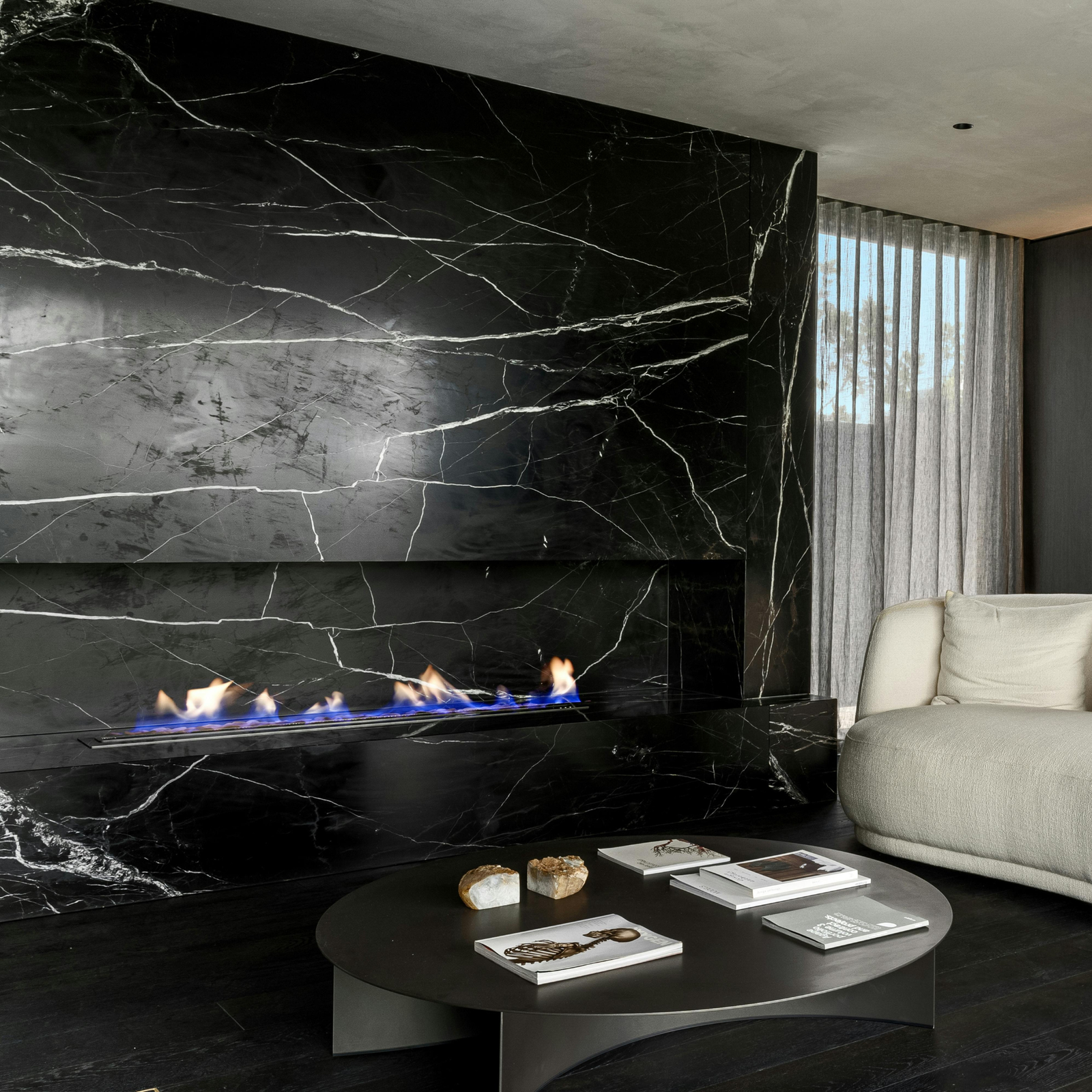
Mantels, jambs and hearths: soot, thermal cracks and chips treated with respect for the period, in period apartments and villas alike.
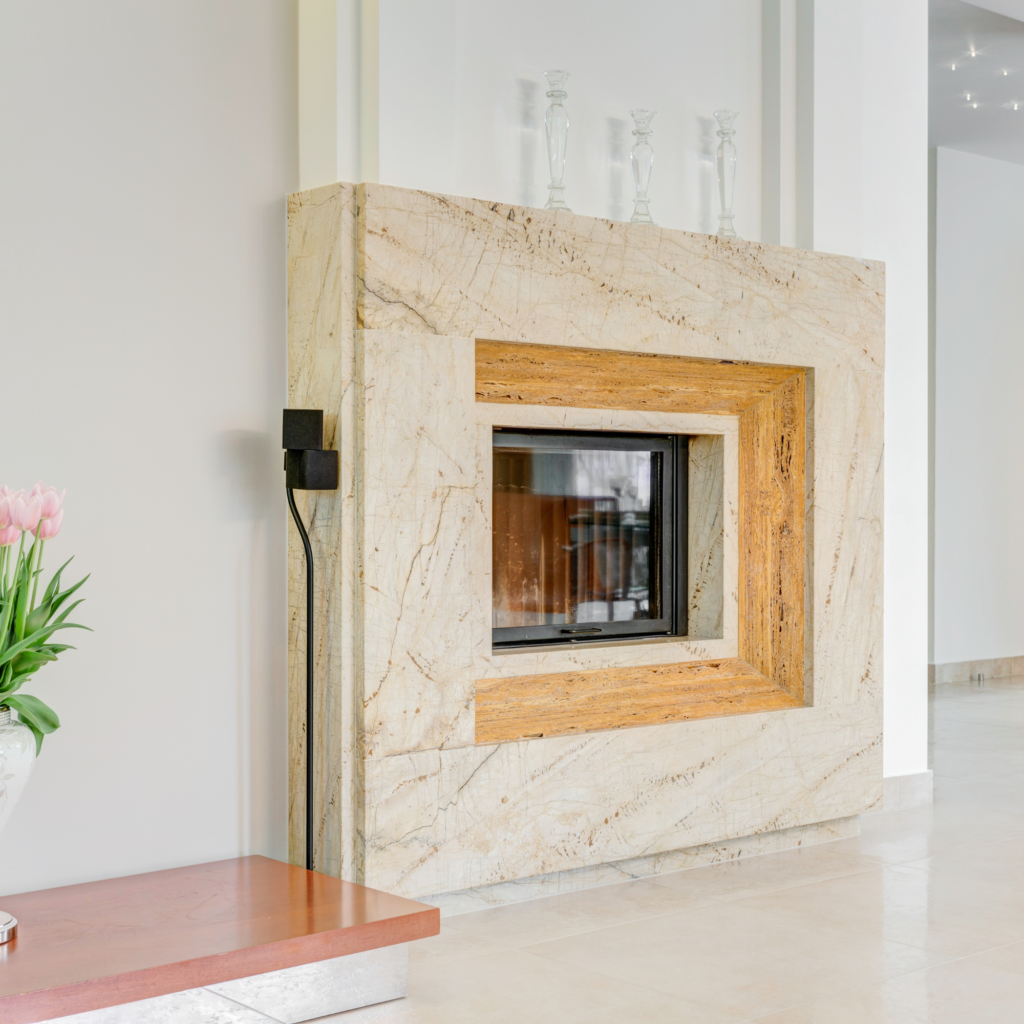
In a drawing room, the marble fireplace catches the eye before anything else. In the grand apartments of the Old Town, the nineteenth-century ring boulevards or Florissant-Malagnou, it often dates from when the building went up and bears the signature of its period: Louis XVI mouldings, Restoration corbels, clean Art Deco lines. In the villas of Cologny, Vandœuvres or Collonge-Bellerive, it is sometimes more recent, carved from white, black or veined marble chosen to echo the rest of the house.
Les Traitements du Sud · Geneva restores marble fireplaces in Geneva: mantels, jambs, shelves, lintels, fireboxes and hearths. We clean away soot and smoke staining, fill cracks, re-fix loose elements, then bring back the original finish while respecting the style and age of the piece.
A marble fireplace is not a single block: it is an assembly of carved pieces, each exposed to its own stresses. Our on-site assessment reviews them one by one to tailor the treatment.
The top shelf carries candles, vases, frames and ornaments. It shows water rings, candle wax, scratches and sometimes rust marks left by a metal object. It is treated like a worktop: stain removal, polishing, protection.
These uprights and the cross-piece joining them sit closest to the fire. Smoke leaves a grey or brown film, heaviest on the lintel. Mouldings and carvings are worked by hand, with soft brushes and pads, so the edges stay crisp.
The opening surround and the hearth on the floor take direct heat, ash and knocks from logs. This is where thermal cracks, chips and the most ingrained stains appear.
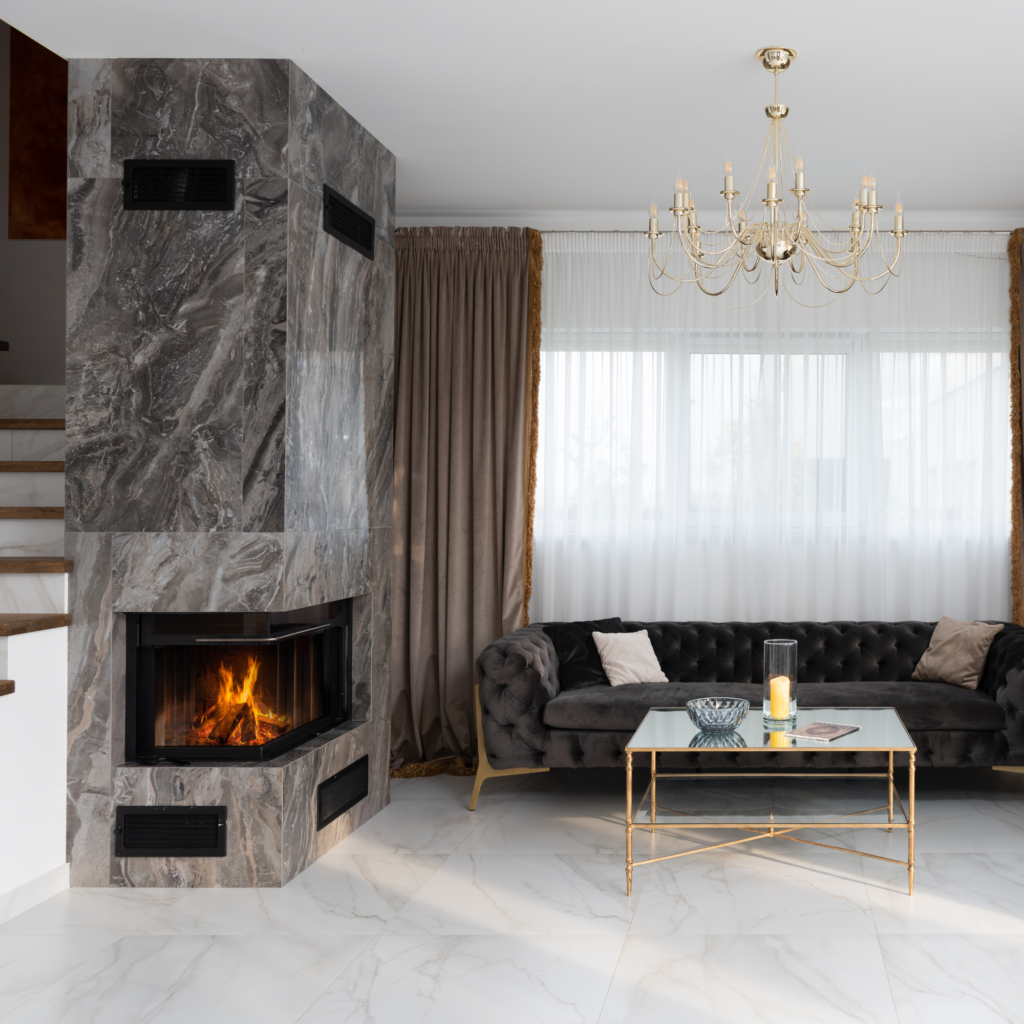
Soot is a mixture of carbon, tars and combustion residue. On pale marble it forms a dark halo above the opening which, over the years, works its way into the pores. Rubbing it dry or with an abrasive sponge only spreads it and scratches the surface; stove-glass cleaners are usually far too harsh for marble.
We work in stages: vacuuming the dust, cleaning with a stone-safe degreaser, then targeted poultices that draw the residue outwards as they dry. A heavily smoked white marble sometimes needs several applications. This approach is described in detail on our marble stain removal in Geneva page.
Marble expands slightly with heat. When a fire is lit and allowed to die down season after season, the pieces nearest the firebox go through repeated cycles that can open fine cracks, especially on the lintel or at the inner corners. Poorly adjusted draught or an overly fierce fire accentuates this. Over time, the metal cramps or mortar holding the elements together can also tire, and a piece eventually shifts.
We consolidate cracks with a suitable resin, tinted to blend into the veining, then level and re-polish locally. Chips on a moulding are rebuilt by modelling before being refined by hand. A loose piece is re-bonded and secured back into the whole. If we notice a defect related to the flue or the fireplace structure, we recommend calling in a chimney specialist or sweep before lighting it again: our trade is the stone. More details on our marble repair page.
We identify the marble, the style, the original finish and the condition of each part. You receive a free quote in Swiss francs.
Parquet, rugs, walls and furniture are covered; the firebox is emptied and vacuumed so we can work cleanly.
Gentle degreasing, then successive poultices to draw smoke and combustion residue out of the marble.
Cracks filled with tinted resin, chips rebuilt, loose pieces re-bonded.
Finish restored by hand on the mouldings and by machine on flat surfaces, at the original level of sheen.
A breathable impregnator limits the penetration of smoke and makes future cleaning easier.
A nineteenth-century fireplace is not meant to look as if it has just left the workshop. Its patina, the gently softened arrises and the measured gloss of its polish are part of its charm. Our approach is to remove what weighs it down — soot, stains, wax, grime — and repair what weakens it, while keeping everything that tells its story.
In practice, we work mouldings by hand so the profiles stay sharp, avoid deep grinding that would erase carved detail and choose a level of sheen consistent with the period: often a soft polish rather than a mirror effect. Resin shades are adjusted on site to match the veining and the real colour of the marble, which has sometimes shifted slightly over time.
This delicacy is especially valued by owners of period apartments and by interior designers in Geneva renovating an interior while keeping its original features. For lobbies and reception rooms, our work with hotels follows the same spirit.
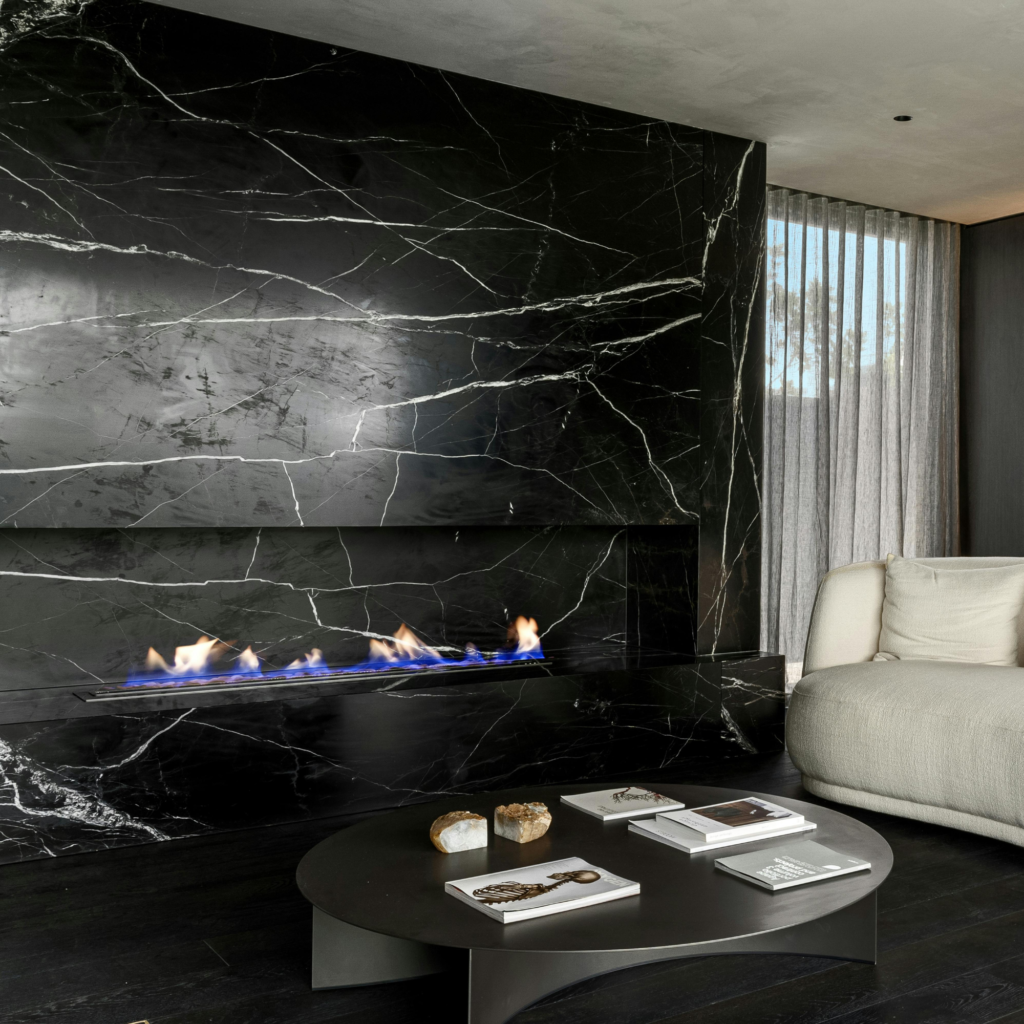
In town, many fireplaces in older apartments are no longer used for fires, or only occasionally. They nonetheless carry old smoke marks, dust and the traces of objects placed on the shelf. Restoring them is often the chance to give a drawing room on rue des Granges, in Champel or Les Tranchées its full lustre again, without heavy works. In a PPE building, we work in agreement with the régie or administrator on access and hours.
In the villas on the Cologny hillside, in Anières or Genthod, fireplaces see more use and build up more soot, particularly above the opening. Cleaning then takes longer, but the logic is the same: preserve the stone, repair discreetly and protect it for the following winter.
ServiceSoot, candle wax, rust, water rings: targeted extraction with poultices.
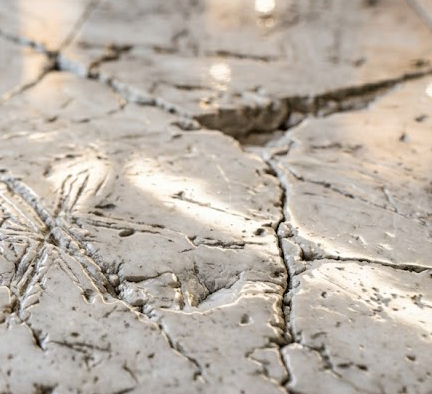 Service
Thermal cracks, chipped mouldings, loose pieces: discreet consolidation and rebuilding.
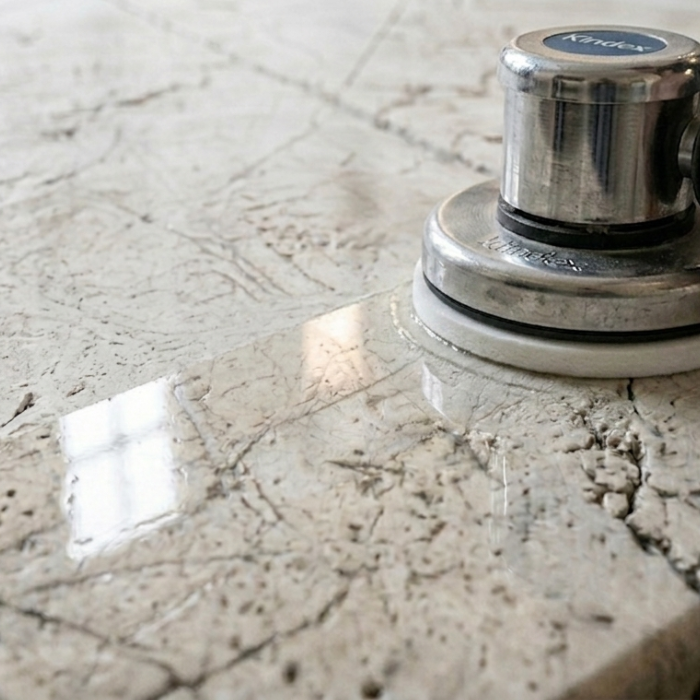 Service
A soft, even polish, at the level of sheen that suits the style of the piece.
In the vast majority of cases, yes, or very noticeably reduced. Surface soot comes away with degreasing; soot that has penetrated the pores is drawn out with successive poultices. On a very porous white marble that has been smoked for decades, several applications may be needed. We tell you what result to expect during the visit.
A fine thermal crack is common on an old lintel and responds very well to treatment: consolidation with tinted resin, then local levelling and polishing. If the crack comes with sagging or a piece that moves, we re-bond and secure the element, and advise having the flue checked by a professional before lighting a fire again.
No — that is precisely what we set out to preserve. We remove what clogs the stone, repair what weakens it and restore a soft polish in keeping with the period. Mouldings are worked by hand to keep the profiles crisp. The aim is a sound, luminous fireplace that keeps its character.
You need to wait until the resins and the sealer have fully cured. We give you the exact timing at the end of the job, usually a few days. Before the heating season starts, a sweep by a professional is recommended in any case; it is not part of our service, which focuses on the stone.
A lightly smoked apartment fireplace is often restored in a day. A heavily blackened, finely carved fireplace or one needing several repairs takes longer, notably to give the poultices time to work. The free quote in Swiss francs states the expected duration for your fireplace.
Regular dusting with a microfibre cloth and, if needed, a lightly damp cloth with pH-neutral soap are all it takes. Avoid using stove-glass cleaners on the marble. Put coasters under vases and dishes under candles. If the fireplace is used often, cleaning the lintel area at the end of each winter keeps the result looking its best.
Send us one or two photos of your fireplace, mantel and hearth: we will reply with a free quote in Swiss francs. Our details are on the contact page.