
 Prevent
Sealing and protection
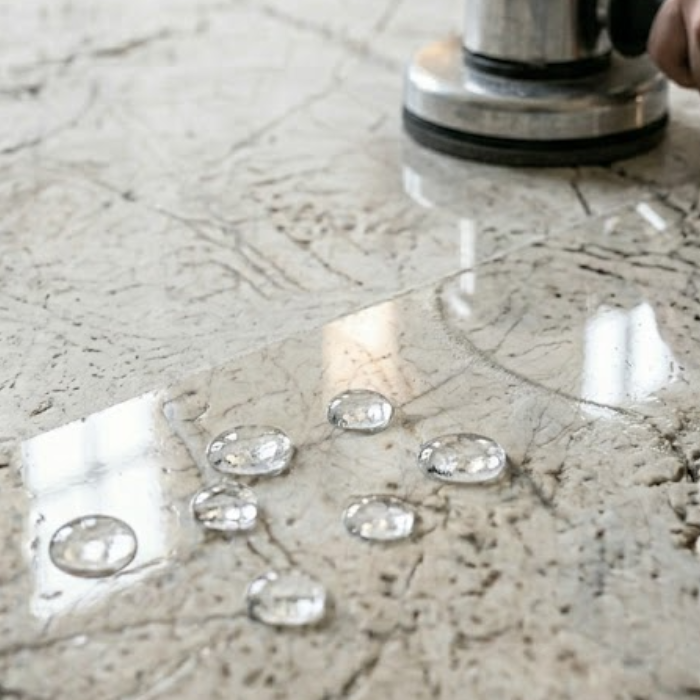
Water- and oil-repellent impregnation so that future accidents stay on the surface.
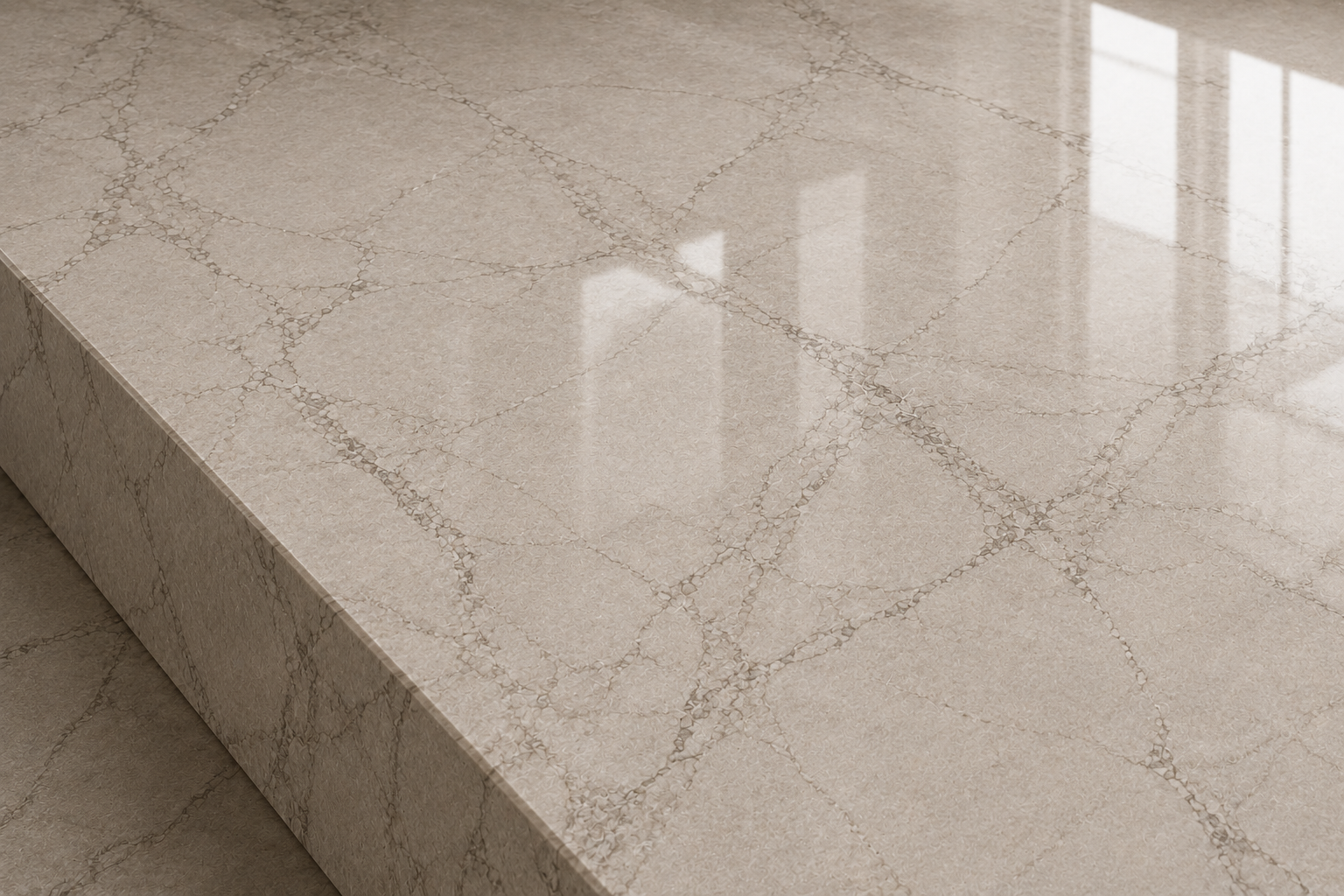
Oil, rust, limescale, wine or lemon: we identify each stain and apply the method that draws it out without harming the stone.
A drop of lemon on a Carrara worktop, a glass of wine forgotten on a coffee table, a ring of rust under a plant pot in a Champel lobby: on marble, no two stains are alike. Marble stain removal in Geneva therefore always begins with a simple question, which we ask before opening a single product: what has marked the stone, and how deep has it gone?
Marble is a crystallised limestone whose porosity varies greatly depending on where it was quarried. A Statuario, a Calacatta or a Bardiglio will not absorb oil in the same way, nor react identically to a cleaning agent. Reading the stone correctly is what allows us to draw the stain out without lightening the area, leaving a halo or dulling the surrounding polish.
Les Traitements du Sud · Geneva works for private homeowners, for buildings run by property managers and PPE co-ownerships, and for shops and hotels across the canton of Geneva and the Vaud shore of the lake. Our approach rests on one essential distinction: separating a true stain (a substance that has soaked into the stone) from surface damage (the stone itself has been altered). The two call for entirely different treatments.
This page sets out, type by type, the method we use. It will also help you take the right steps while you wait for our visit, and avoid the ones that set a stain for good.
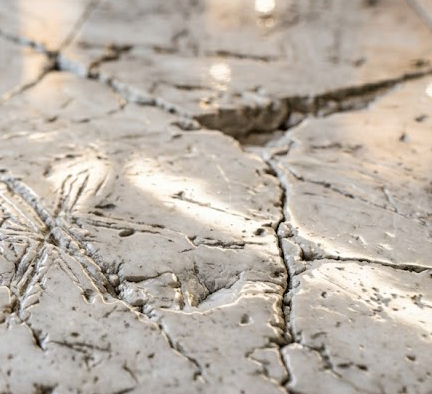
The dull, slightly rough mark left by lemon juice, vinegar, white wine or a fizzy drink is what professionals call acid etching. The acid dissolves the calcite at the surface: it deposits nothing, it removes a minute layer of stone and destroys the polish. That is why no stain remover will ever shift it.
The answer is mechanical. On a light mark, localised re-polishing with very fine abrasives followed by a polishing powder restores the shine and blends the area into its surroundings. On deeper or more extensive etching, such as a kitchen worktop marked over the years, we resurface it with progressive grinding before polishing. Red wine often combines both phenomena: an acid etch and a pigment that colours the stone. We extract the colour first, then re-polish.
After testing both the stone and the stain on a small area, we choose the appropriate protocol. Here are the main families we come across in Geneva interiors.
Olive oil, butter, cosmetic cream: the stain darkens the stone and spreads deep into it. We apply a poultice, an absorbent paste mixed with a solvent chosen for grease, left to dry under film. As it dries, the poultice draws the substance out of the pores. An old stain sometimes needs two or three successive applications.
A metal furniture foot, a plant pot, a can of shaving foam left in a bathroom: rust leaves an orange ring. It is treated with an iron-reducing agent formulated for calcareous stone, built into a poultice. Off-the-shelf acid rust removers must be avoided, as they would etch the marble around the stain.
Rings left by a vase or a glass are either a mineral deposit on the surface or light etching. We identify which by touch and under raking light: a deposit comes off with neutral cleaning and buffing, an etch with localised re-polishing.
Geneva’s mains water is fairly hard. Around taps, in showers and on basins it forms a whitish film. Acid descalers are ruled out on marble: we remove the deposit mechanically, with fine pads and a pH-neutral product, then re-polish where needed.
Pens, markers, ink pads in an office or a bank: ink dissolves with a solvent matched to its composition, applied as a poultice so it does not spread. On light marble, a gentle second oxidising pass may be needed to soften the remaining colour.
Coffee, tea, wine, dead leaves tracked onto a landing: these brownish, plant-based stains respond well to a mild oxidising poultice, particularly on white marbles. We always check first that the stone tolerates it without changing tone.
Origin, age, colour, texture to the touch: we determine whether it is an absorbed substance or surface damage. This step shapes everything that follows and takes place during the free visit.
The chosen product or poultice is first applied to an inconspicuous corner, to check how the marble reacts and that its colour holds.
Absorbent poultice, solvent or specific reducing agent: the substance is drawn out of the stone layer by layer, with a dwell time matched to the depth of the stain.
The residue is removed and the area neutralised and rinsed. The marble must dry fully before the result is assessed: damp stone always looks darker.
If the surface has lost its lustre, localised polishing brings it back in line with the rest. A protective impregnator then reduces the risk of a repeat.
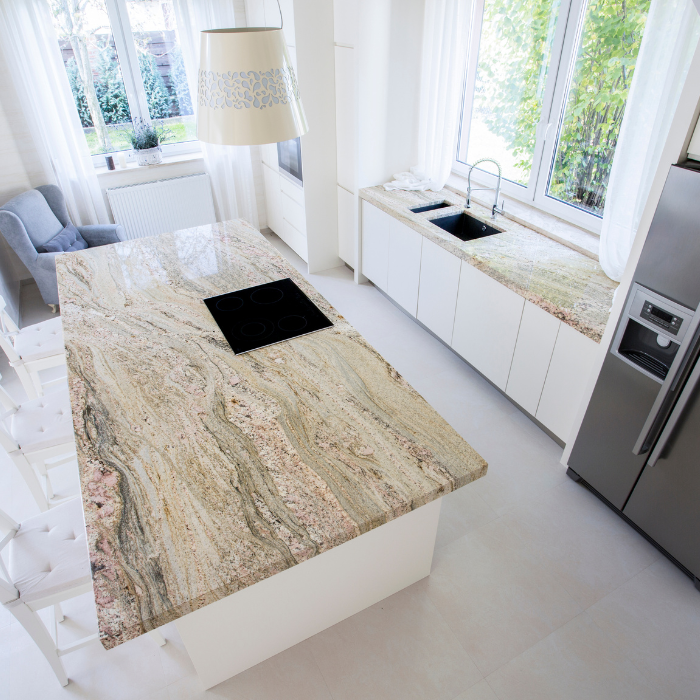
Within a few years a marble worktop builds up quite an inventory: oil rings near the hob, lemon marks around the sink, rings from wine bottles. We treat each mark according to its nature, then work over the whole surface to bring back an even finish.
In a marble bathroom, limescale, colour left by cosmetic bottles and rust from metal accessories dominate. The grout joints, often more porous than the stone, also absorb coloured products: we clean them at the same time.
The first few minutes matter. On fresh oil or grease, blot without rubbing using kitchen paper, working from the centre outwards so as not to spread the stain. On an acidic liquid, wipe immediately and rinse with clean water: you will limit how deep the etch goes.
Bear in mind that many everyday household products are designed for ceramics, not for calcareous stone. White vinegar, descaler, toilet gel, scouring cream, concentrated bleach or a green abrasive sponge can turn a recoverable stain into a lasting mark. Lukewarm water and pH-neutral soap remain the best stopgap.
Finally, photograph the stain and note its origin if you know it: sent with your quote request, this information lets us prepare the right protocol from the very first visit.
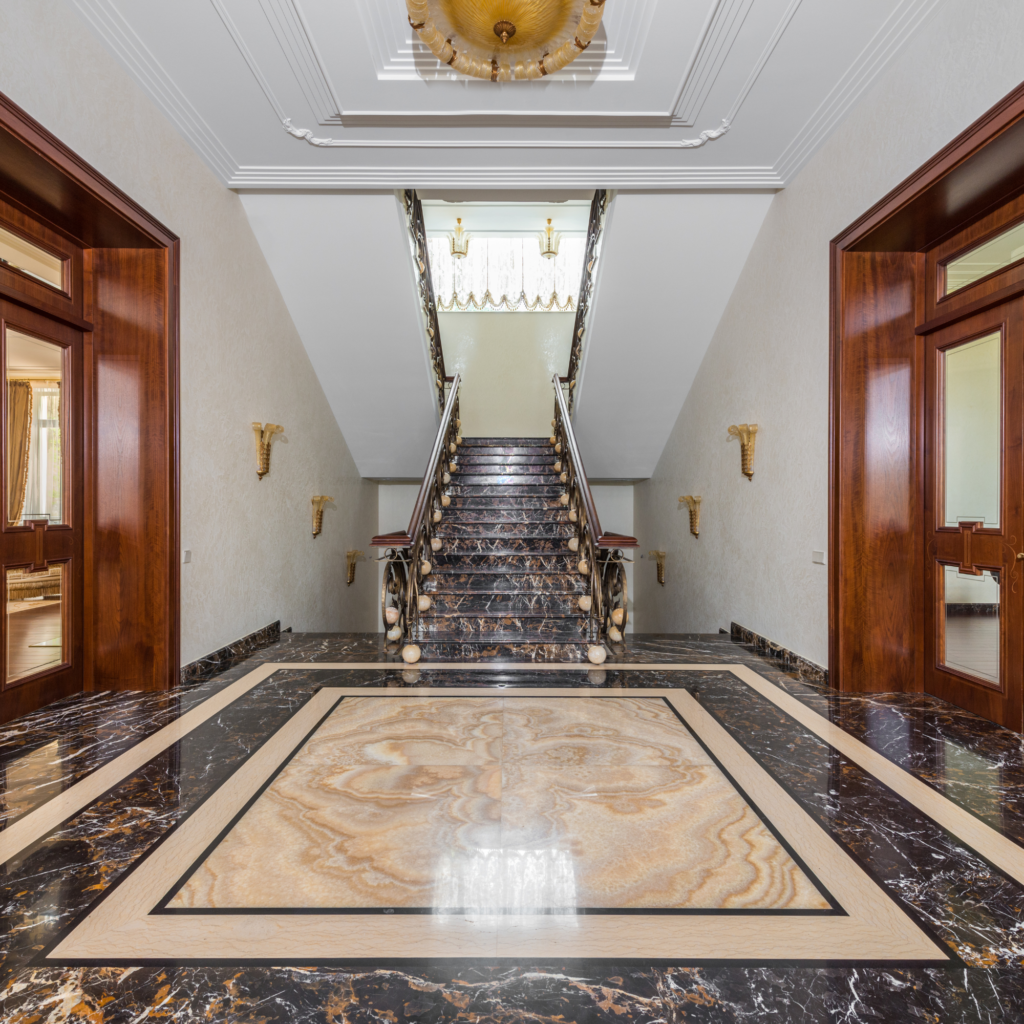
In a marble building lobby along the nineteenth-century ring boulevards or in Eaux-Vives, stains tell the story of the building: bicycle oil, spilt coffee, rust under a doormat, residue left by de-icing salt in winter. For property managers and PPE co-ownerships, we organise the work zone by zone so that residents can still come and go.
In the boutiques of the rue du Rhône, in hotels and offices, we work outside opening hours. Products are chosen for their low odour and the site is handed back clean, dry and ready for use the same morning.
Most stains fade dramatically or disappear completely. Some, very old or having travelled deep into a highly porous marble, need several extraction cycles. During the visit we tell you clearly what result to expect and how many passes are likely, and we note it in the free quote in Swiss francs.
Where a stain comes with a chip, a crack or missing material, stain removal is combined with marble repair using tinted filler. And where the whole surface has lost its shine, it may make sense to follow up with crystallisation for a heavily used floor.
PreventWater- and oil-repellent impregnation so that future accidents stay on the surface.
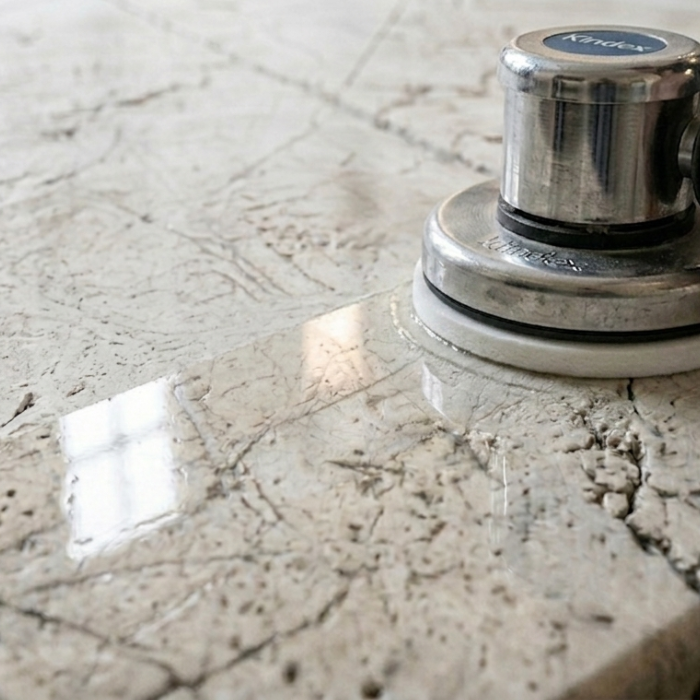 Restore the shine
The natural follow-on to stain removal when the stone has lost its gloss.
 Last
Scheduled visits to deal with stains before they settle in.
No, because it is not a deposit but acid etching: the lemon has dissolved a thin layer of calcite and removed the polish. No product can “lift” that mark. The solution is localised re-polishing, or light grinding if the etch is deep, to level the surface and give it back its original shine.
A poultice stays in place until it has dried completely, usually 24 to 48 hours depending on its thickness and the ambient humidity. A recent stain often comes out in one application. An old stain that has travelled deep may need two or three cycles. We tell you how many passes are likely during the visit.
The deposit itself dulls the appearance, but the real risk comes from the acid descaler used to remove it, which attacks the marble along with the scale. We remove the film mechanically with pH-neutral products, then re-polish. Wiping the basin dry after use remains the best preventive habit with Geneva’s water.
Yes, in the vast majority of cases. We use an iron-reducing agent designed for calcareous stone, built into a poultice to target the ring precisely. On white marble the result is generally very clean. Acid rust removers must be avoided at all costs, as they would leave a dull mark around the stain.
Yes. We draw up a free quote in Swiss francs addressed to the property manager or the PPE committee, then schedule the work with the caretaker. The lobby is treated zone by zone so residents can still pass through, with clear signage and a tidy site at the end of each day.
It is strongly recommended. After extraction the stone is clean and its pores are open: the ideal moment to apply a water- and oil-repellent impregnator. It forms no film and lets the marble breathe, but it greatly slows the penetration of liquids and gives you time to wipe up.
Old Town, Eaux-Vives, Champel, the right bank, the communes along the left shore of the lake and the Vaud shore as far as Nyon: see all our service areas.
Send us a photo and a few words about its origin from our contact page: we will get back to you with a visit and a free quote in Swiss francs.